
Lossless Audio Is Finally on Spotify
After much anticipation, Spotify is finally rolling out its lossless audio feature to Premium subscribers in select markets. This new feature allows you to stream music in a much higher quality, bringing a richer and more detailed listening experience to nearly every song on the platform.
What is lossless audio?
Lossless audio, also known as hi-fi (high fidelity) audio, is a type of audio file that contains all the original data from the master recording without any compression or loss of quality. This means you can hear every subtle detail, instrument, and nuance in a song exactly as the artist intended.
How to get started
To start listening in lossless, you’ll need to be a Spotify Premium subscriber and have the feature rolled out to your account. You’ll get a notification in the app when it’s available. Once you have it, you can turn on the feature by following these steps:
- Tap your profile icon in the top left corner of the app.
- Go to Settings & Privacy.
- Select Media Quality.
- Choose where you want to enable lossless audio: Wi-Fi, cellular, and/or downloads.
Keep in mind you’ll need to manually enable lossless audio on each device you use. You’ll know it’s working when you see the “Lossless” indicator in the Now Playing view or bar.
Getting the best listening experience
To get the full benefit of lossless audio, Spotify recommends a few things:
- Use a wired connection. Bluetooth technology doesn’t have the bandwidth to transmit lossless audio without some compression. You’ll get the best results with wired headphones or speakers, or by using Spotify Connect to stream to compatible devices.
- Use a Wi-Fi connection. Because lossless files are larger, streaming them over a cellular network will use significantly more data. For the smoothest experience, it’s best to stream on Wi-Fi.
This feature is part of Spotify’s continued effort to enhance the Premium experience and give listeners more control over their music. Lossless audio is currently rolling out to more than 50 markets and will continue to become available to more users throughout October. The rollout has already begun in Australia, Austria, Czechia, Denmark, Germany, Japan, New Zealand, the Netherlands, Portugal, Sweden, the US, and the UK, with more markets to follow.
READ MORE FROM BEST PRODUCTS
Galaxy Watch Ultra 2 Review: Specs & Features
Samsung’s premium smartwatch lineup gets a substantial hardware and performance upgrade with the Galaxy Watch…
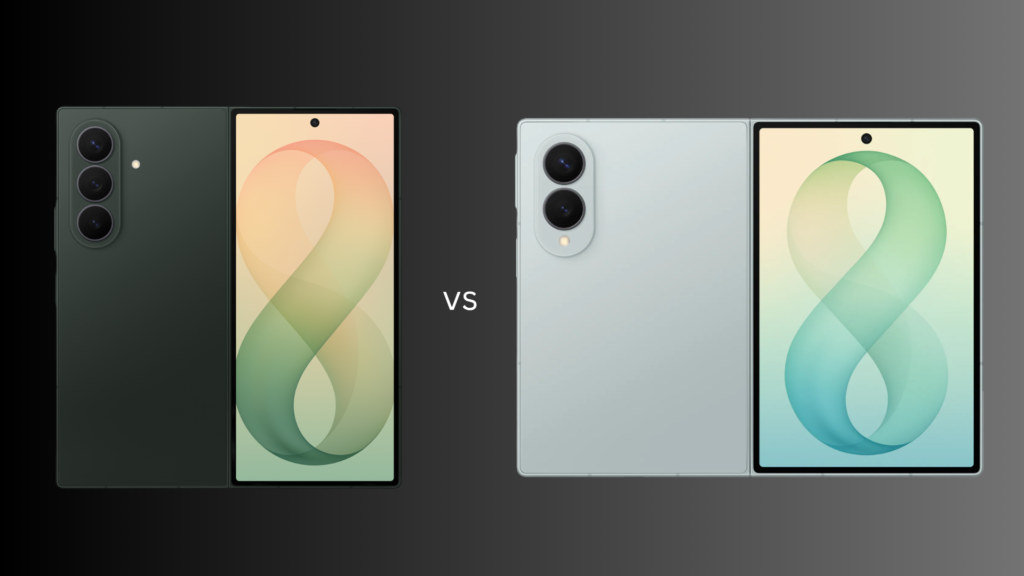
Galaxy Z Fold8 Ultra vs Galaxy Z Fold8
Samsung expanded its foldable smartphone lineup by introducing two distinct devices: the Galaxy Z Fold8…
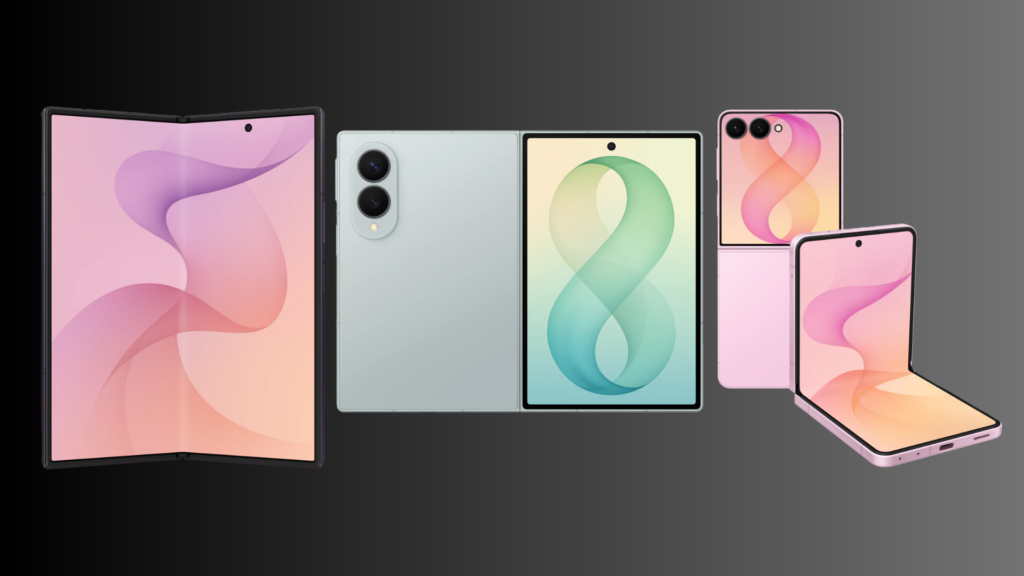
Samsung Announces Galaxy Z Fold8 Ultra, Z Fold8, and Z Flip8 at July 2026 Unpacked Event
At its highly anticipated Galaxy Unpacked event in July 2026, Samsung Electronics officially launced its…
LG StanbyME 2 Max: Portable 4K Screen
LG Electronics has expanded its lifestyle screen lineup with the introduction of the LG StanbyME…
how to fix laptop overheating
Overheating is a common yet critical issue that can significantly degrade a laptop’s performance. Laptops…
Valve launches Steam Machine gaming PC
Valve has officially announced the launch details, pricing, and reservation plans for its new Steam…